Tenant Farming
Council-owned farms are becoming scarcer as cash-strapped councils sell them off to fund other services, which has meant that in the past 40 years over 50% of county farms have disappeared.
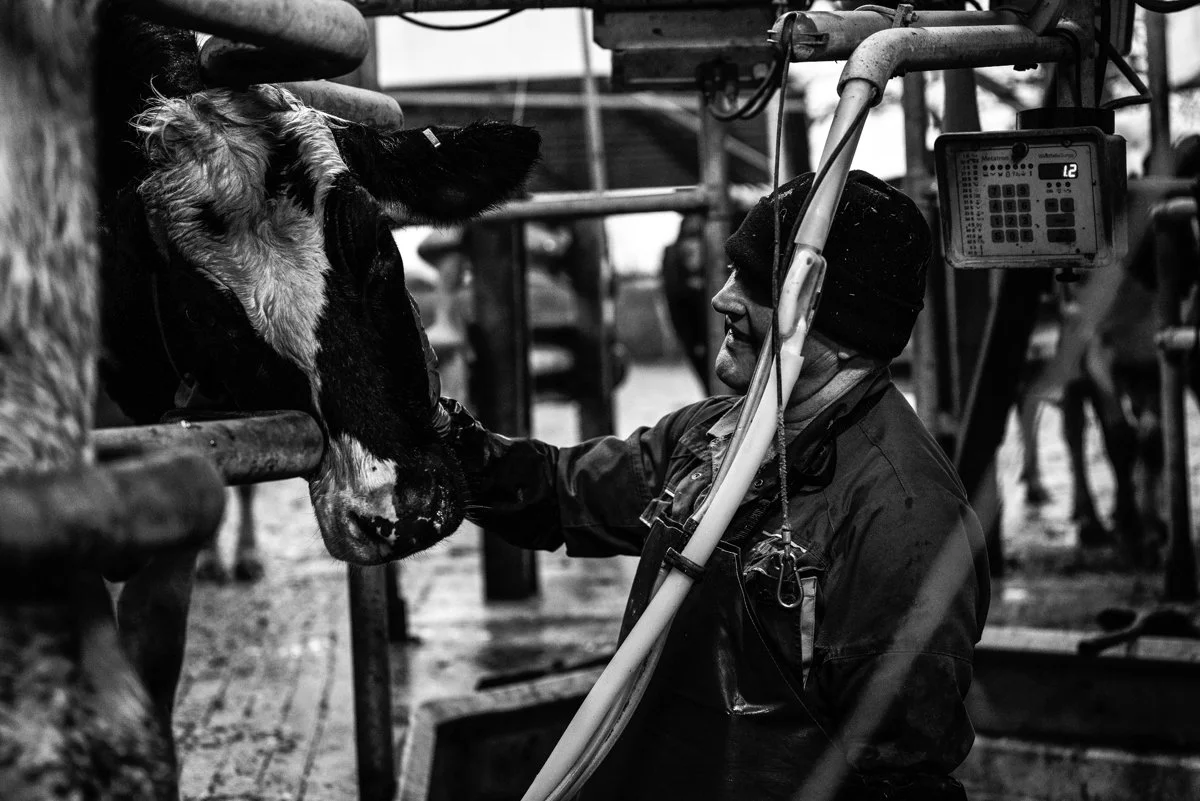
However, for new farmers they are often the only affordable route into the profession because many county farms are known as ‘starter farms’ - they are just big enough to establish a business, particularly if you’re new to farming and don’t have huge amounts of capital (who does?). When it costs around £450 for a tonne of fertiliser, £2,500 for a cow, and about £300 for a ewe, it’s important to be able to start small and grow. Historically, county farms have been the launchpad for generations of farmers.
With the family farm tax recently in the headlines, it is perhaps no surprise that county council farms have become a topic for political debate with some parties stating that they will stop the sale of farms in counties where they have council control.
At a time when we’ve witnessed the fragility of global supply chains and want food security, it seems that the county farm system is essential if we want to encourage new farmers.
In 2024, I started (and continue today) to find out who these farming tenants were and why did they want to enter a profession that is fraught with challenges?
I’ve visited around 10 farms on a regular basis which included wonderful people such as Emma who runs a micro dairy and delivers milk to her local community, and Holly who produces Raw milk which is sold twice a day at the farm gate, and Iain who is known as the Hampshire Shepherd and runs his farm with his two sons, and Alice and Billy, a young couple from farming families who were juggling full-time employment with sheep farming.
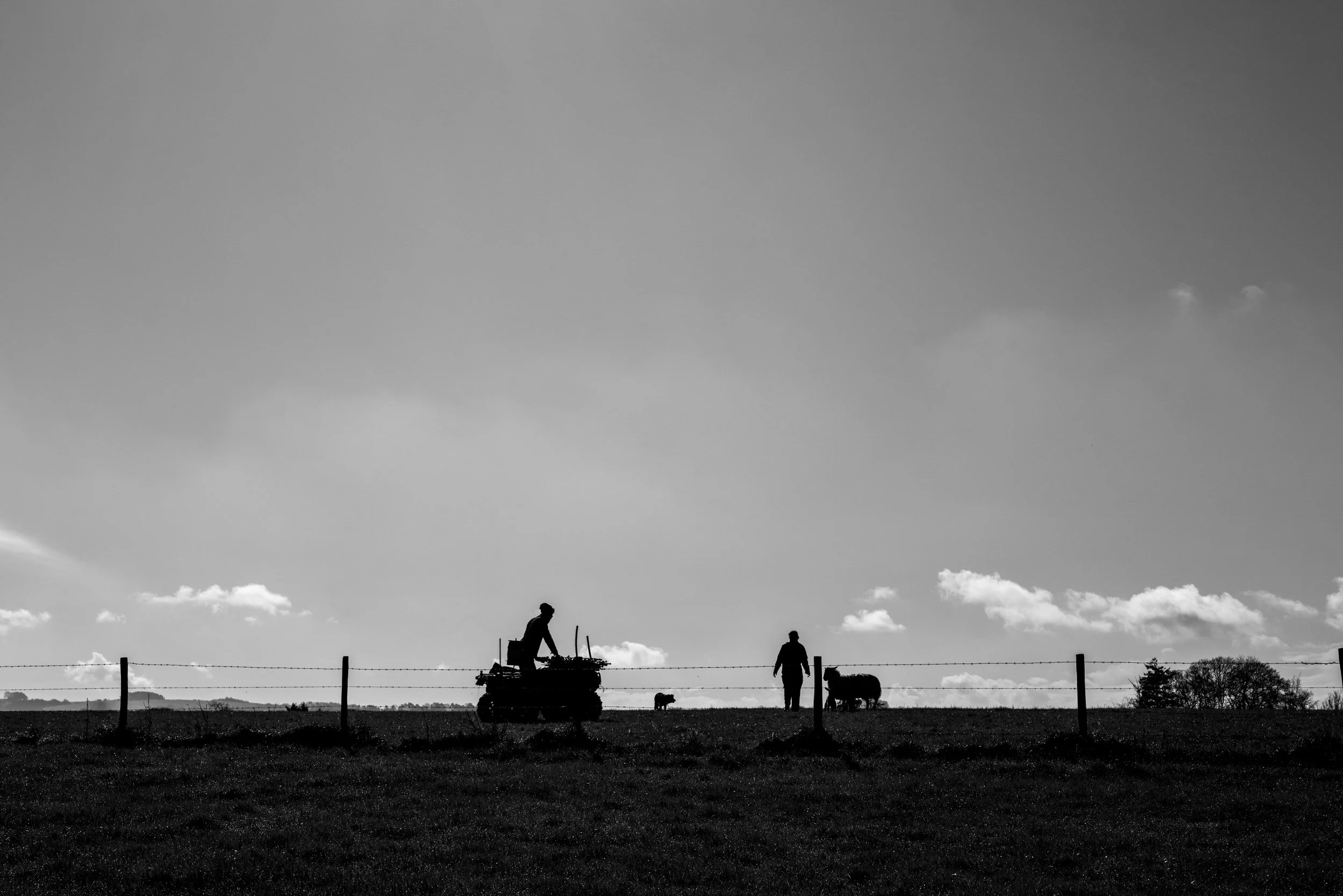
Over the years I’ve watched and documented how these people worked and how they battled with all the challenges thrown at farmers - most days of the year.
Farming has to be the least understood of all professions and it seems that we’ve been conditioned by marketeers to expect cheap food, which may help account for the 10 million tonnes of food we waste each year in the UK.
According to government data, average Farm Business Income in 2020/21 was £72,000 of which £22,200 was actual household income for the farmer, the rest of it covers the costs of running the farm.
In 2023/24 average Farm Business Income had dropped to £41,500, which suggests that household income for the farmer was around £13,000, although like all businesses, costs have gone up, so it’s probably less than that.
All of the farmers I’ve met work incredibly long hours, which are often unpredictable. Dairy farming means getting up at 4.30am for milking, sheep farming means weeks of long days during lambing season, arable farming means long days during harvesting - and often farms are a mix of arable and livestock, so the demands are on-going and all-year round.
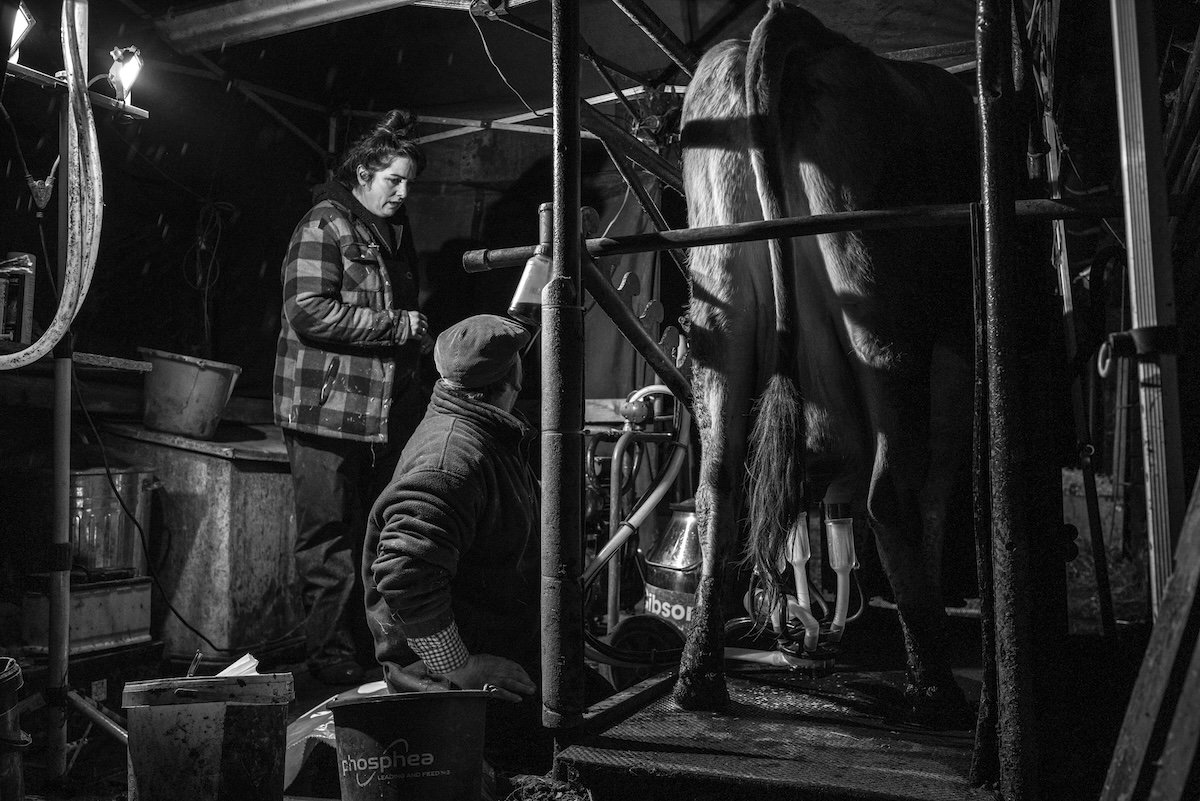
So, what is it that drives them? Quite simply a passion and love for farming.
To farm you need to be dedicated and focused, there’s no phoning-in sick after a night out or long lunches with friends where you can lose track of time. Livestock has to be checked every day, twice a day, and if you’re a dairy farmer that means milking the cows, not something you can put off because you don’t feel up to it.
You also need to be a mathematician, an administrator, an engineer, and a veterinary nurse, just to name a few of the core skills required. With very low profit margins and high up-front costs you simply can’t afford to over-order feed or fertilizer, so you need the ability to accurately forecast exactly how much is required - and these days you also have to predict world events that might send prices soaring.
Things break on farms it’s just par-for-the-course which means having the skills to weld and fix mechanical moving parts will save time and money.
Whilst every care is taken to ensure the safety of cattle and sheep, they can be injured and get ill. It’s not uncommon for newly born lambs to be attacked by crows and magpies. Alice and Billy have had to deal with dog attacks on their sheep, something that is completely beyond their control, but the sheep need medical attention which they have to administer, whilst assessing whether to incur the expense of calling out the vet.
I’ve heard people in office jobs talk about multi-tasking, but farming is where you really see it happening, and that’s before the endless regulatory hurdles that have to be jumped which require meticulous record keeping, otherwise operations grind to a halt – literally.
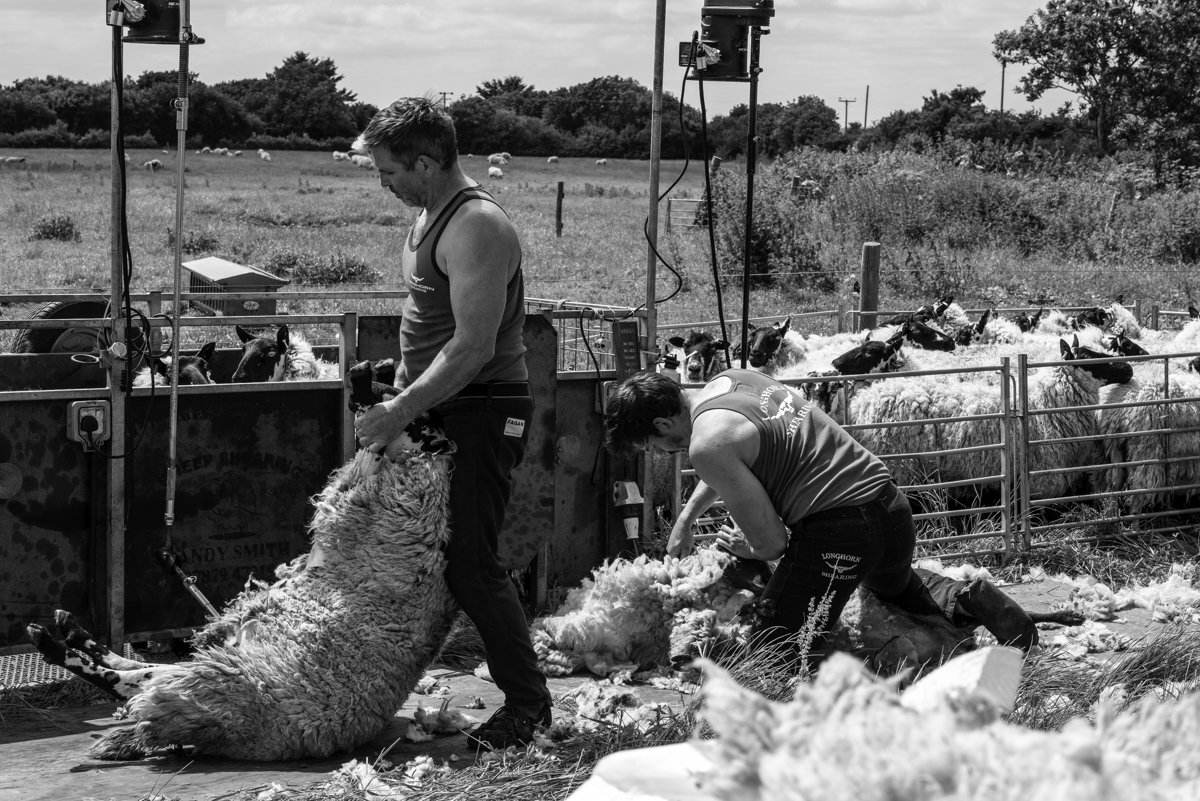
Of course, the weather governs farming to a great extent. Heavy rains one year might mean crops rot in the ground, which can then be followed by the driest months on record meaning that nothing grows. Many farmers try to maintain some circulatory within their farm operations, that involves growing crops to produce feed and bedding in the winter months. However, very wet or dry weather means can impact yields which means they have to buy-in hay and straw (usually at a premium) incurring more expense that cannot be foreseen or mitigated against. Particularly dry conditions have also mean less grass for their livestock during the summer months which makes it difficult for the livestock to put on weight; another unforeseen challenge needs to be overcome.
According to government data the UK imports over 40% of its food and drink. amounting to £67 billion in cost. It is estimated that we lose around 70,000 acres per year of farmland - these are primarily farmers who give up farming and sell the land, often for development.
So….
There is less and less land available to farm in the UK
The environmental challenges are getting harder - not just in the UK but also where we import from
The price of food will inevitably have to rise - it’s basic economics, where there is scarcity prices go up
If we produce less, we become at risk of not being able to import from other countries if their supply is also scarce
Yet, we want food security
Thank goodness there are some people who still want to get into this industry, and let’s hope that county farms continue to support their journey into farming.