Raimes - English Wine
This is a photo story about a Hampshire family farm that diversified and is now producing award-winning wonderful English Sparkling Wines - whilst still managing livestock and arable crops.
The growth of English wine
There’s been a 510% increase in land under vines since 2005, and there are now over 1,000 English vineyards (where grapes are grown) and over 230 wineries (facilities for making wine).
I have also read that French Champagne houses, including Taittinger and Pommery have been buying land (or attempting to) across the South East, taking advantage of the drier and warmer climate that is becoming the norm.
Demand for English wine is growing rapidly, over 9 million bottles were sold in 2024. Now every respectable gastro pub and restaurant has a selection of English wines, particularly sparkling wine that feature alongside the great Champagnes of France. All of which means there is little doubt that English wine is in the ascendancy, and I wanted to find out more about this growing industry and how it might change the agricultural landscape across the south of England.
Raimes - a very English vineyard
Raimes vineyard in Hampshire is representative of how many family farms are diversifying in the face of rising costs associated with arable and livestock farming, whilst also adapting to a changing climate. The owners still run a mixed farm and the family juggle the needs of livestock, arable crops and two vineyards planted with traditional champagne grape varieties.
I followed the Raimes team through a growing and harvest season.
After serveral visits it struck me that the wine industry had done a great job at selling an image of itself that is usually drenched in sunshine with flawless people, dressed in their summer finery, sipping from glasses against a slightly out-of-focus backdrop of vibrant green vines. What these images don’t present is the back breaking manual work that goes into every grape.

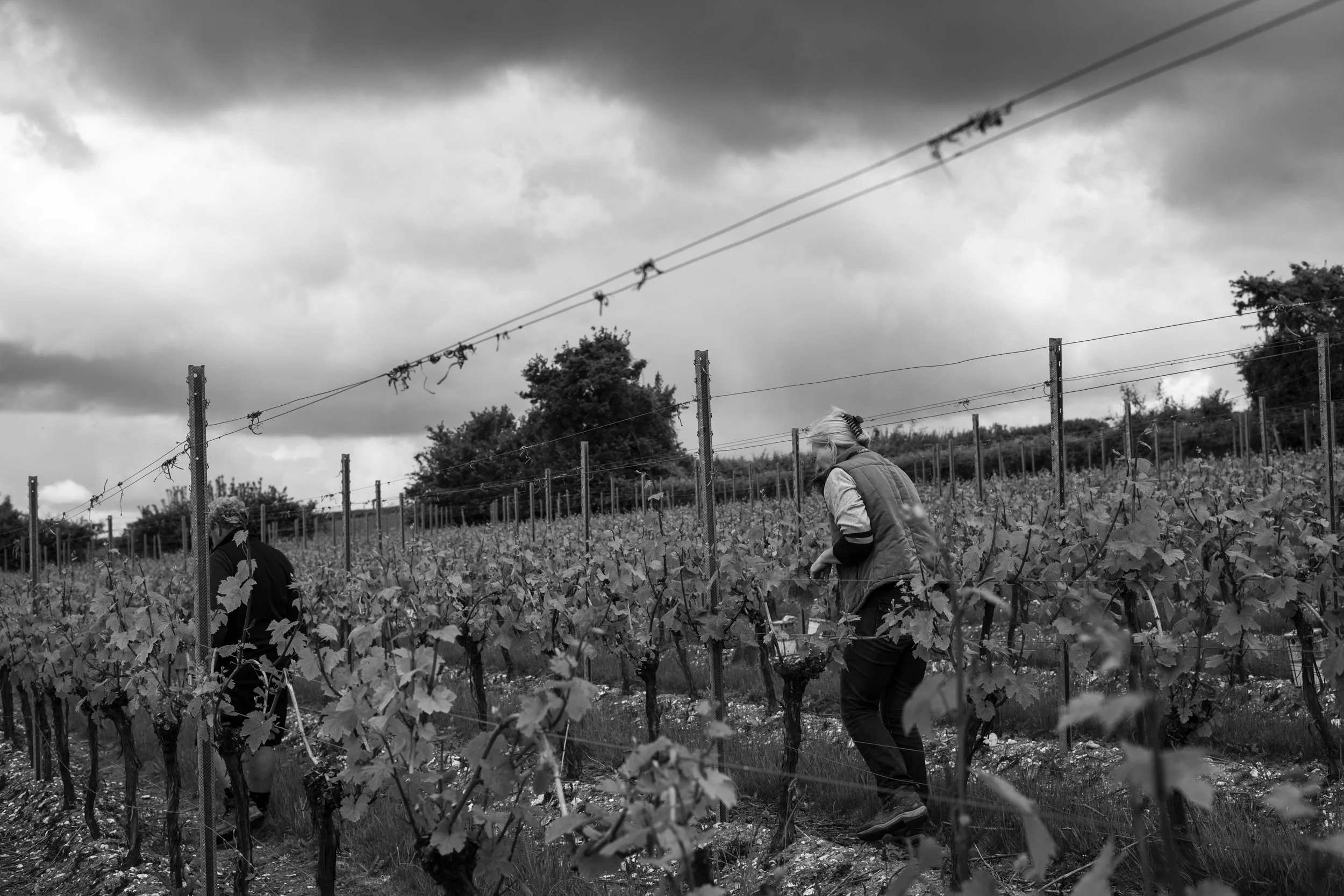
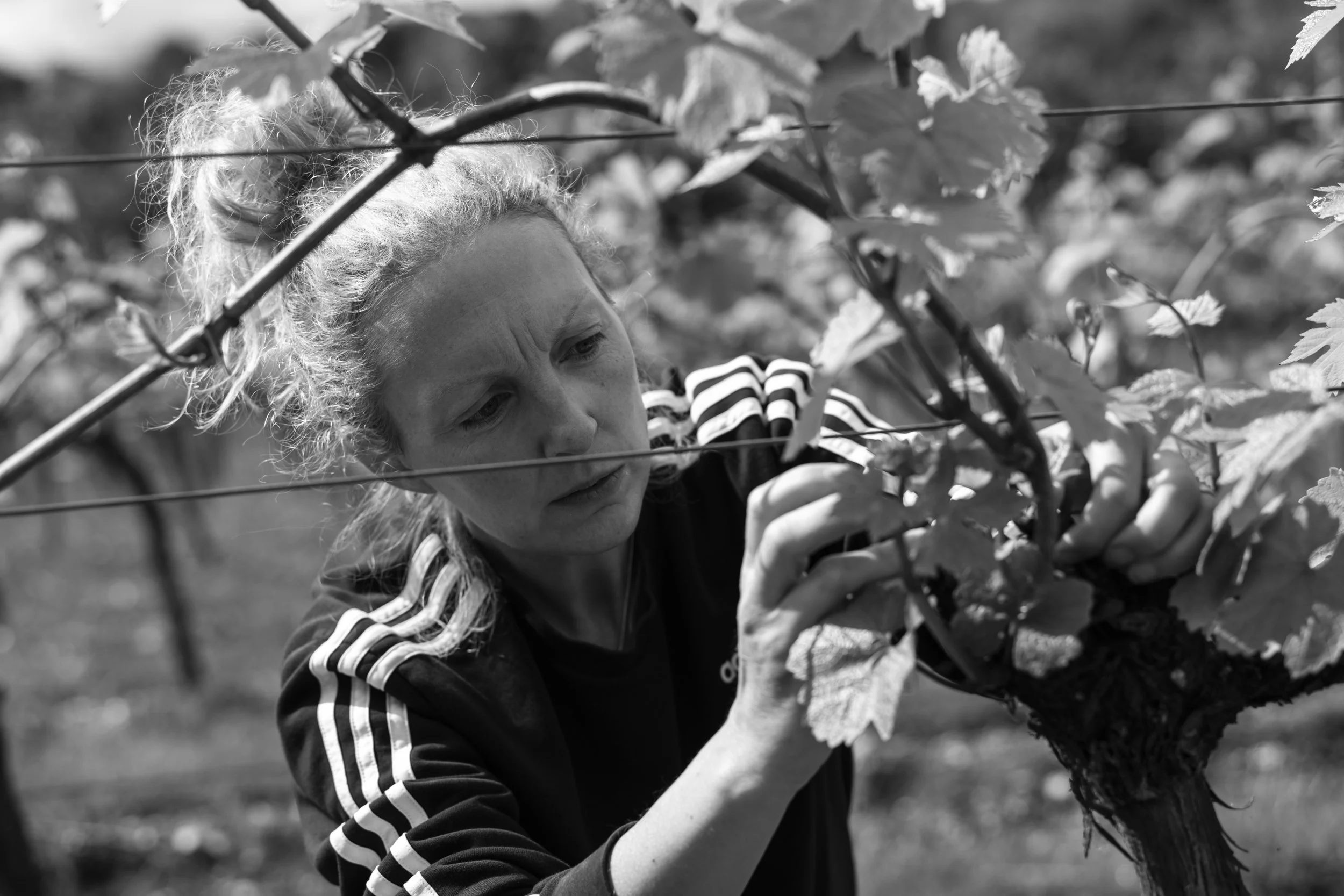
Over the months that I visited the vineyards I witnessed a core group of people in perpetual motion as they moved up and down thousands of meters of vines, giving each one the care and attention it required. Accompanying the blur of hand movements was a soundtrack of rustling leaves, clipping secateurs, laughter and disembodied voices discussing everything from exam results, driving lessons, horses, family events, restaurant reviews and the village pub.
Fresh mornings and bursts of rain in spring soon gave way to record temperatures and relentless heat. Rainproof hats were replaced with cooler headgear but the pace never slowed, even as the vines towered over them.
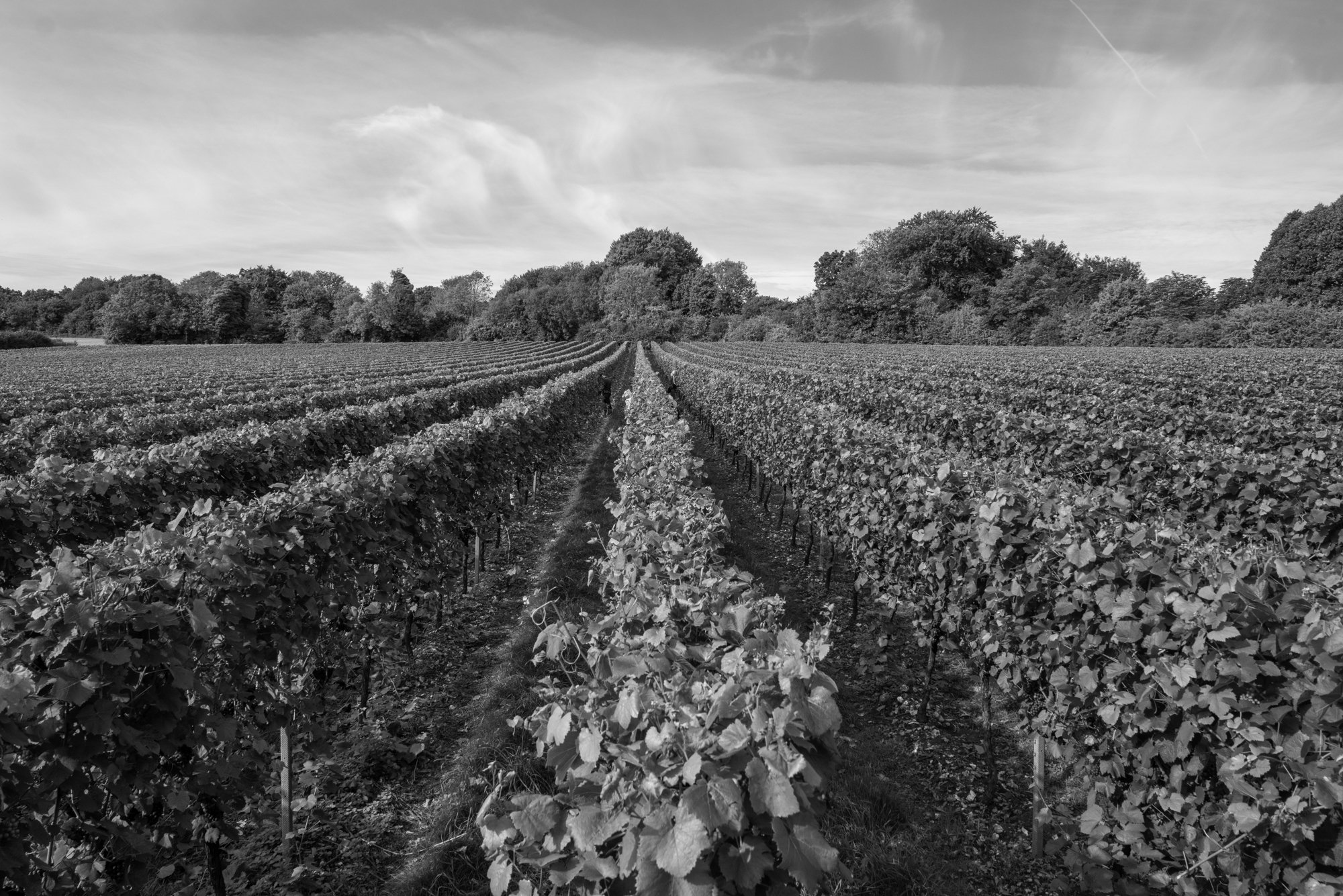
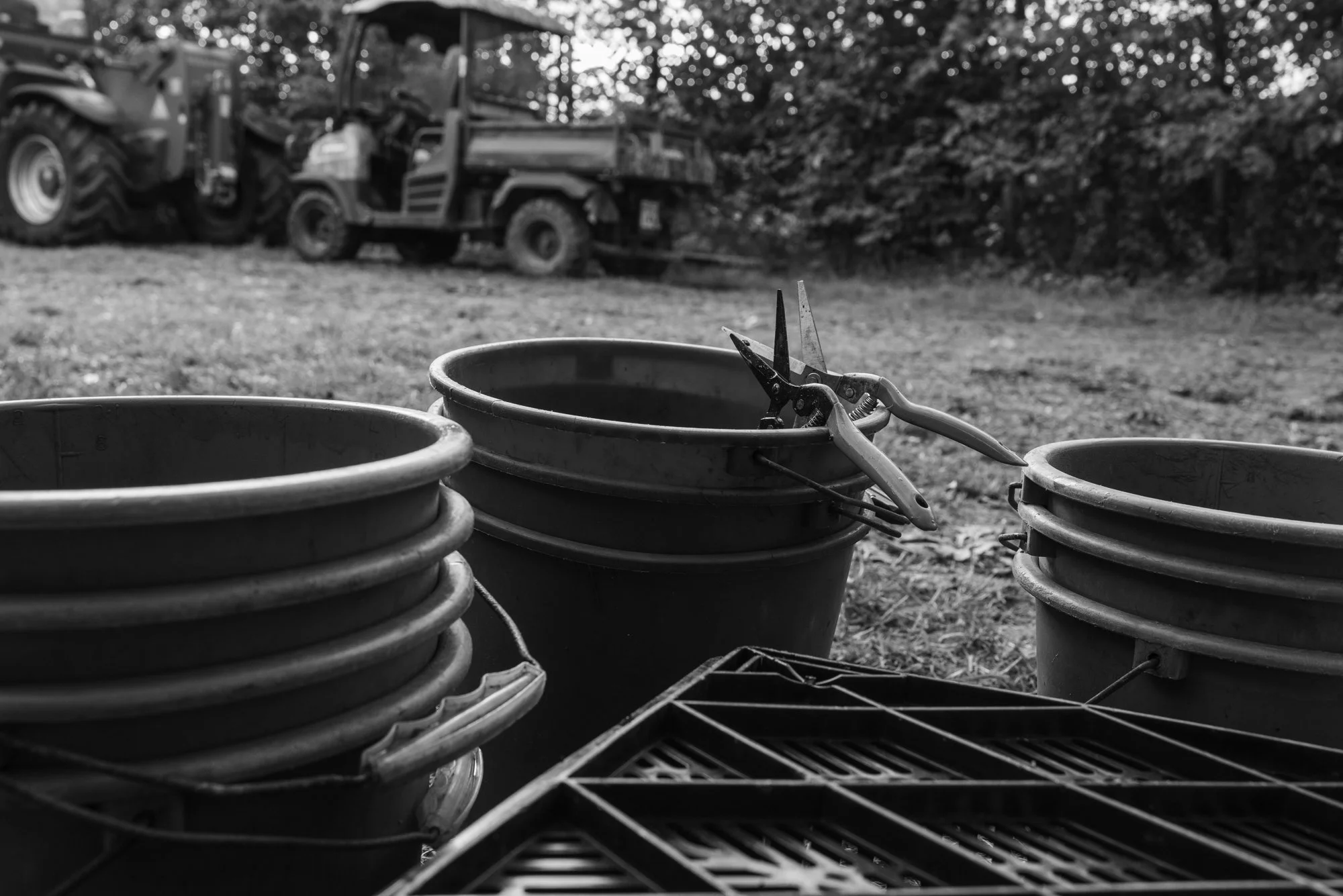
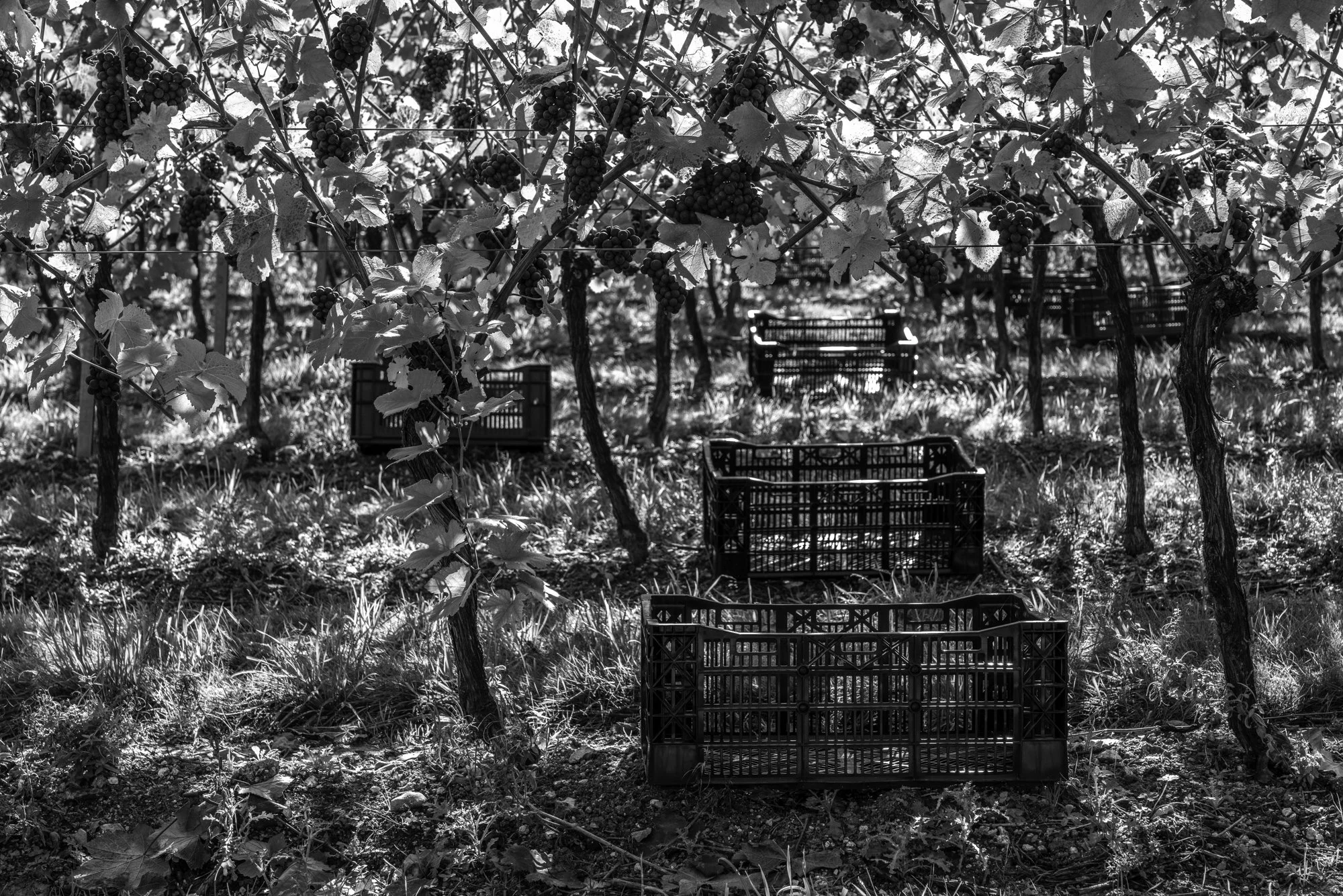
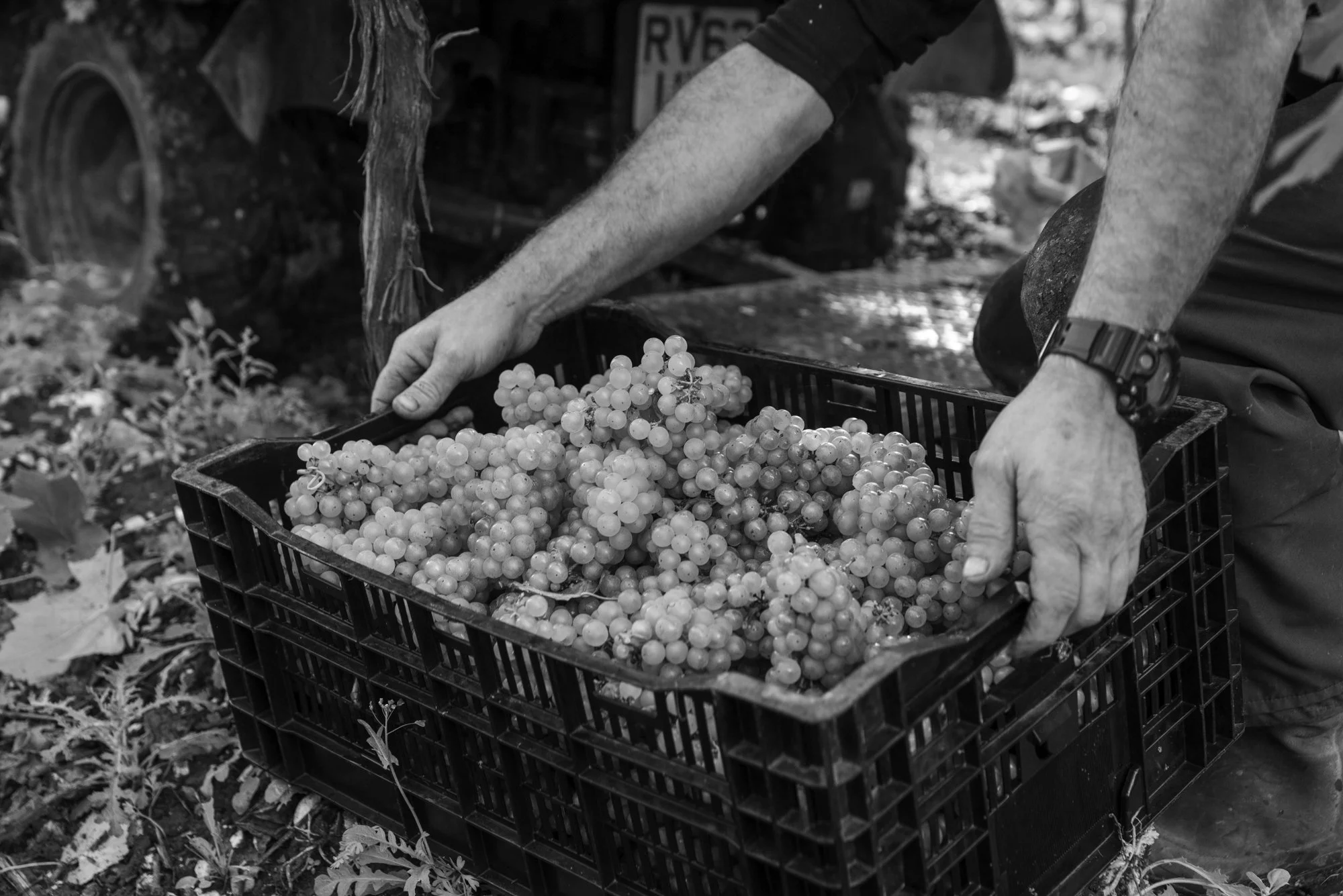
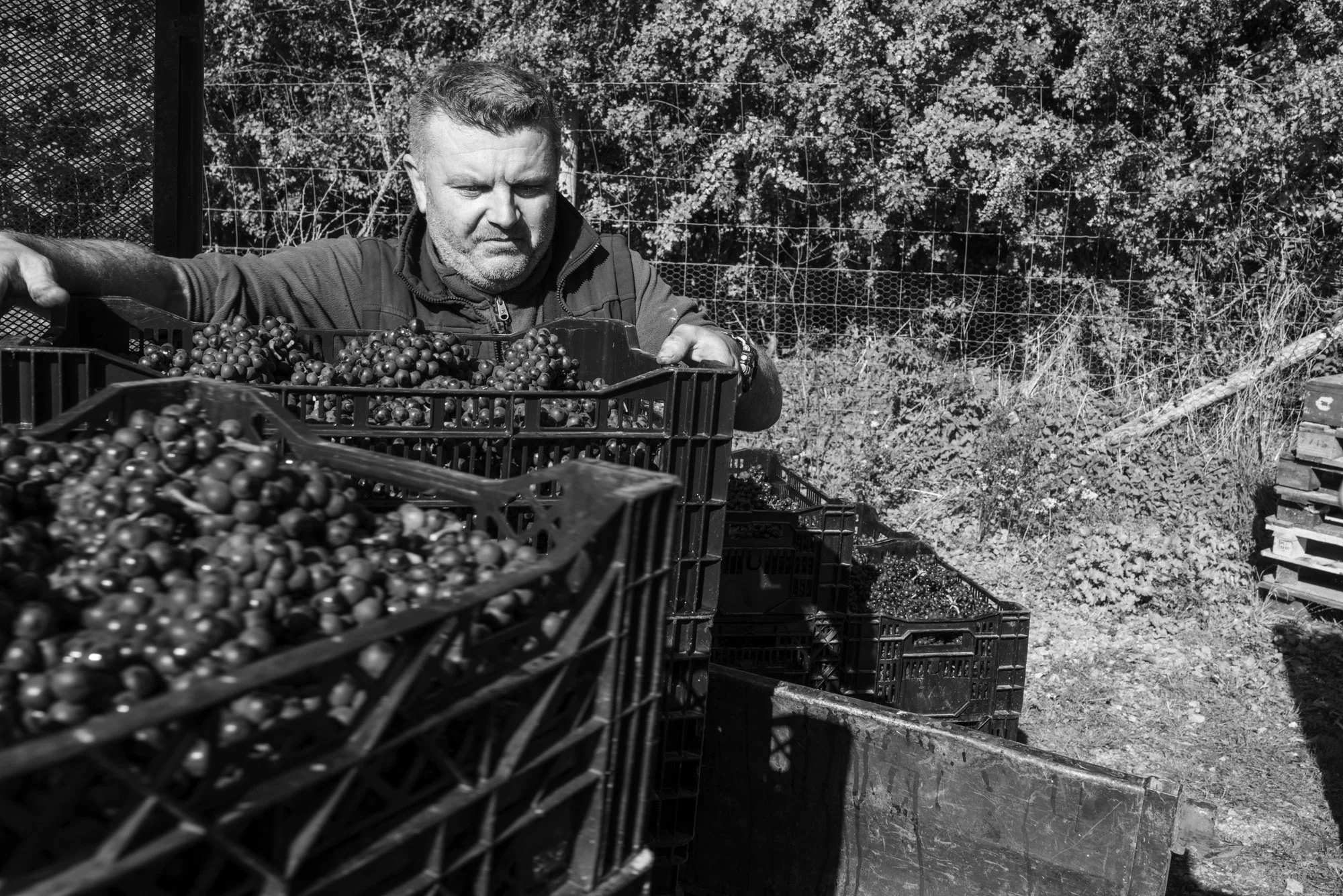
Under a pale October sky, the vineyards came alive with the quiet industry of harvest. For four days, volunteers arrived shortly after sunrise, threading between rows of vines heavy with fruit, secateurs in hand, clipping bunch after bunch of grapes and laying them gently into crates.
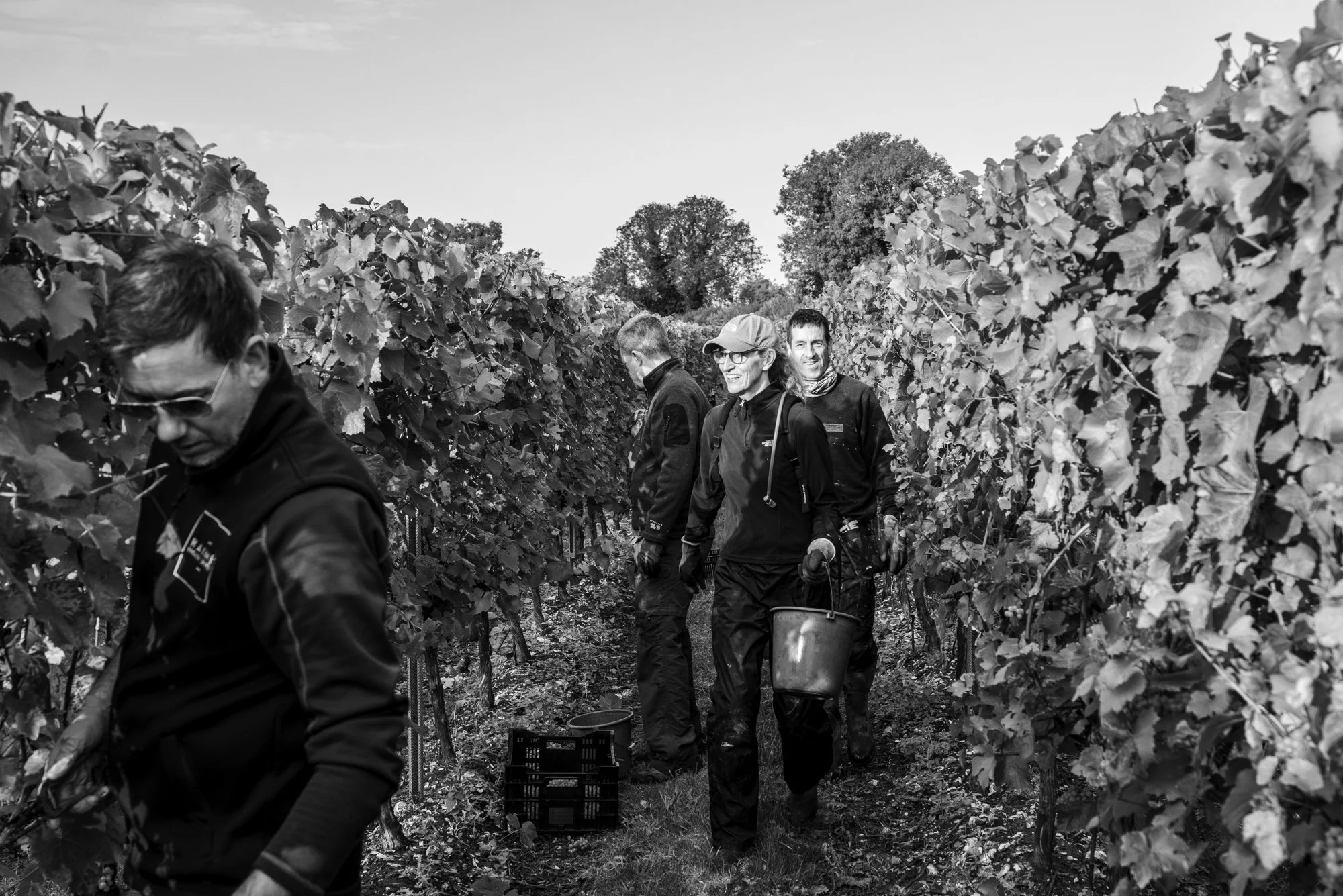
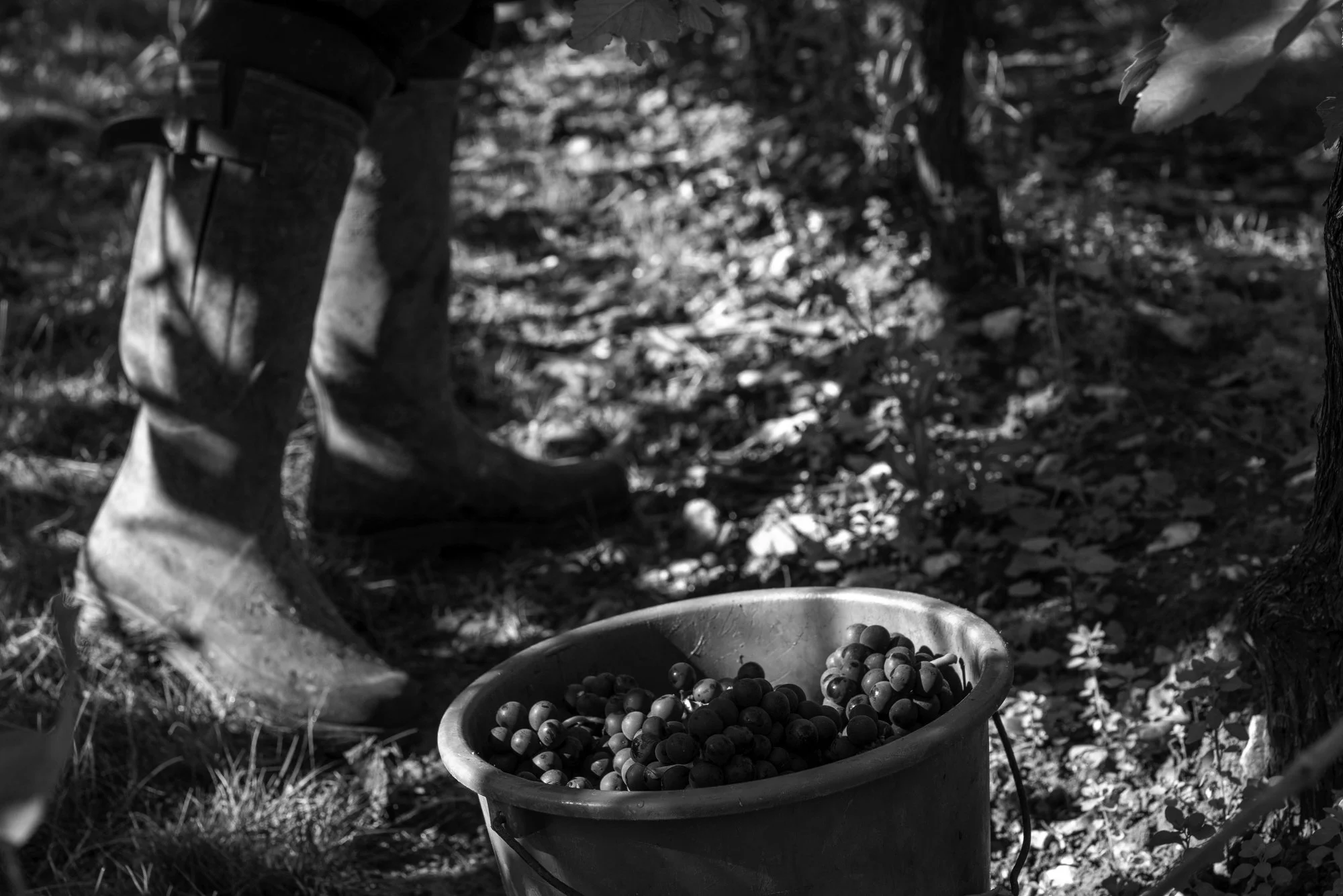
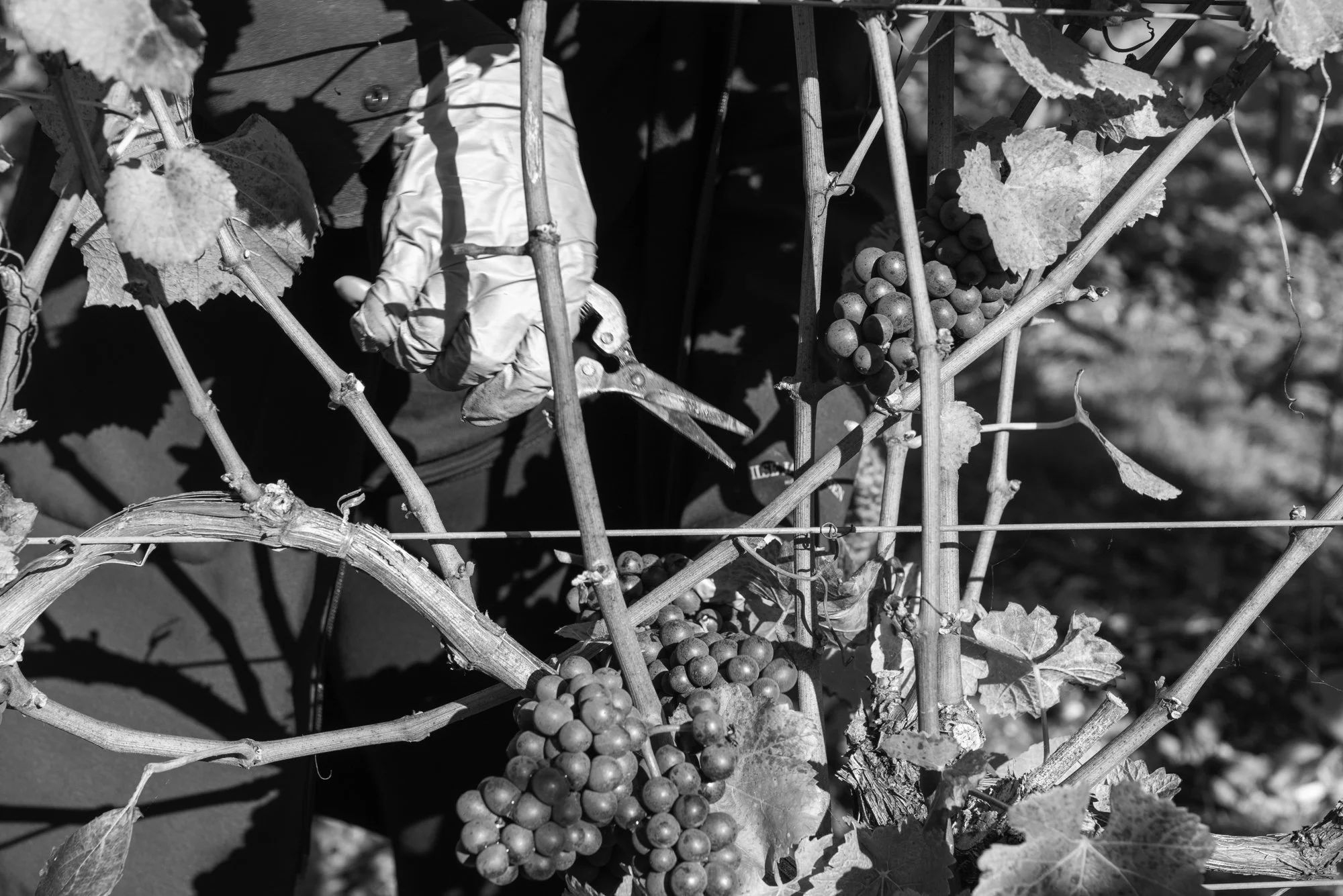
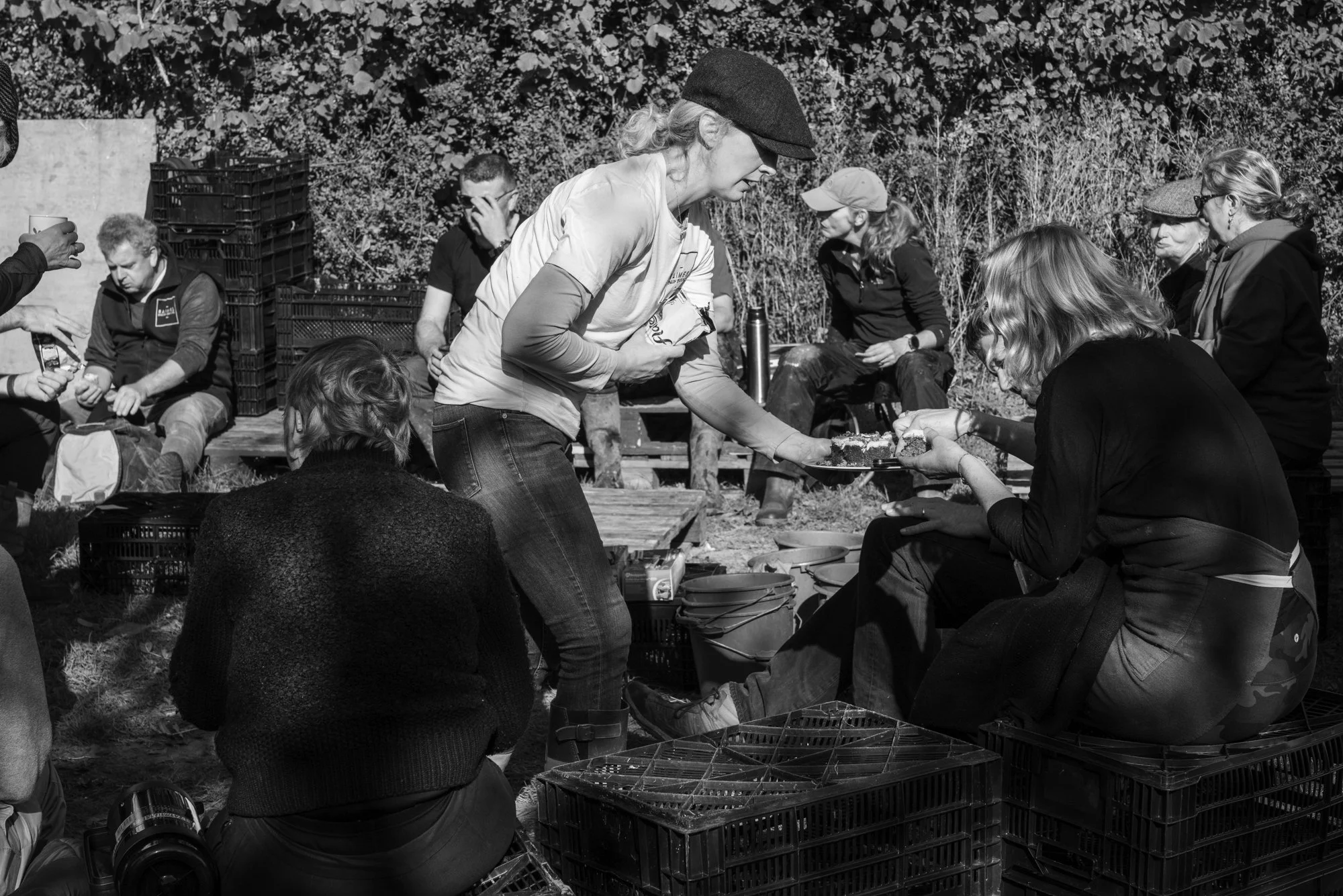
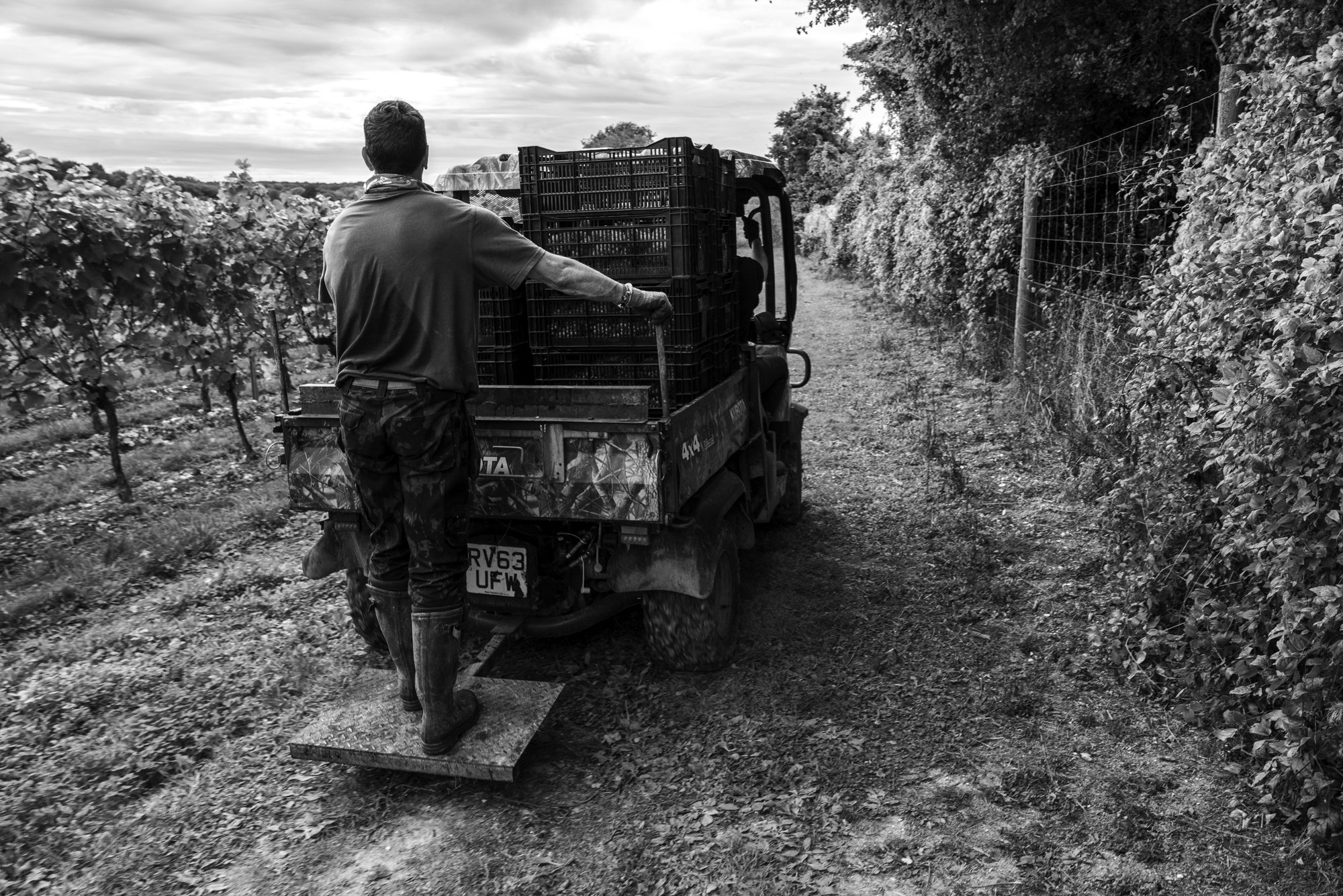
The work was rhythmic and companionable — strangers and neighbours side by side, trading stories but concentrating hard and pausing only for tea and a slice of cake. By mid-afternoon, the crates stood stacked and ready, the fruit's sweet, earthy scent hanging in the air, before the day's haul was loaded onto a trailer and made its way to the press.
It's a scene that has played out in French and Italian villages for centuries but is still a relatively new endeavour in England. It felt like a community coming together to create something wonderful. And it was.