Educating out of poverty
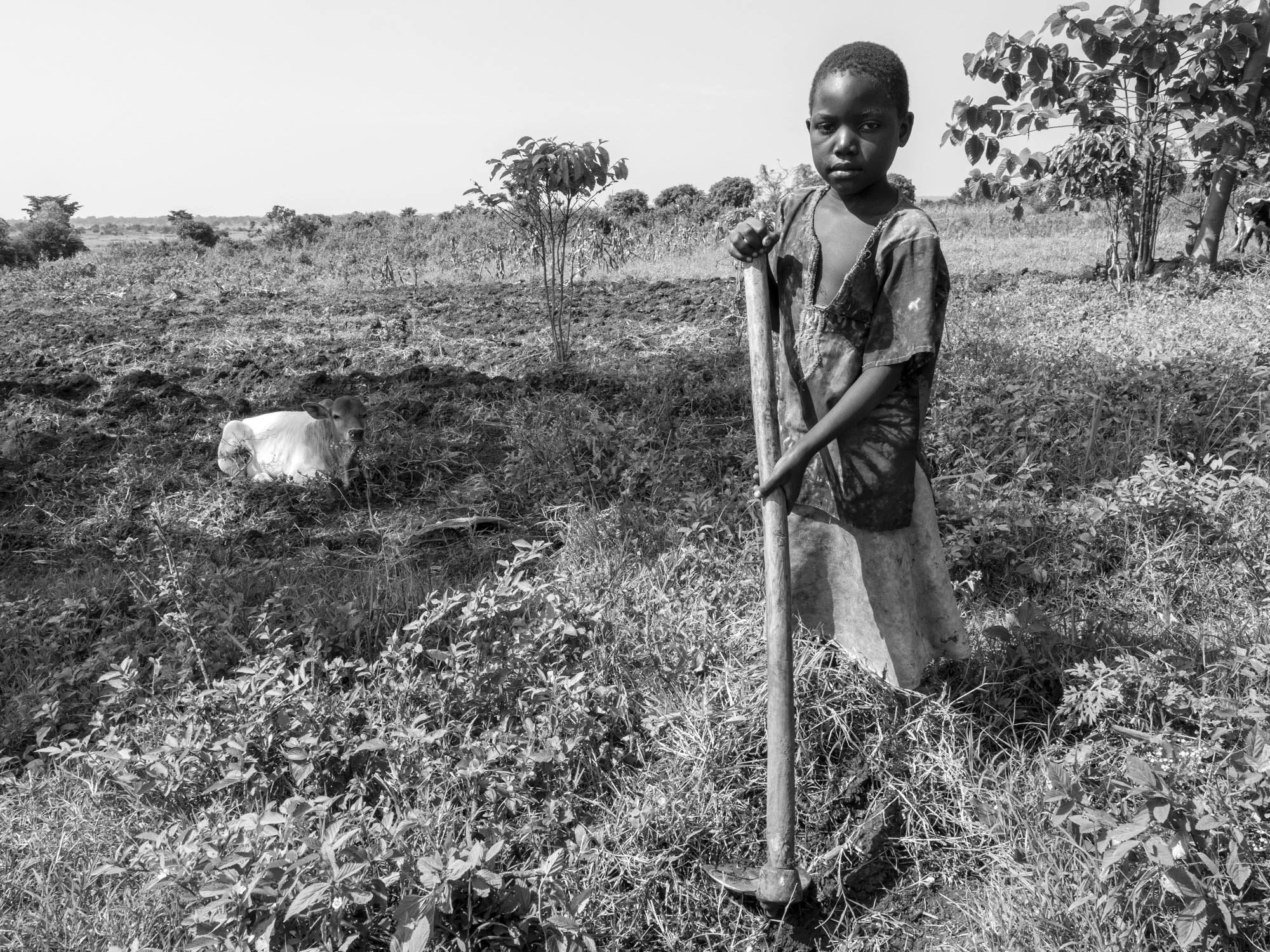
In 2023 and 2025 I visited the rural district of Busembatia in eastern Uganda. It’s a five hour car journey from the capital, Kampala and once you live the city, the journey is necessarily slow, such are the state of the roads.
I stayed a few miles from Busembatia as a guest in a catholic-run village school.
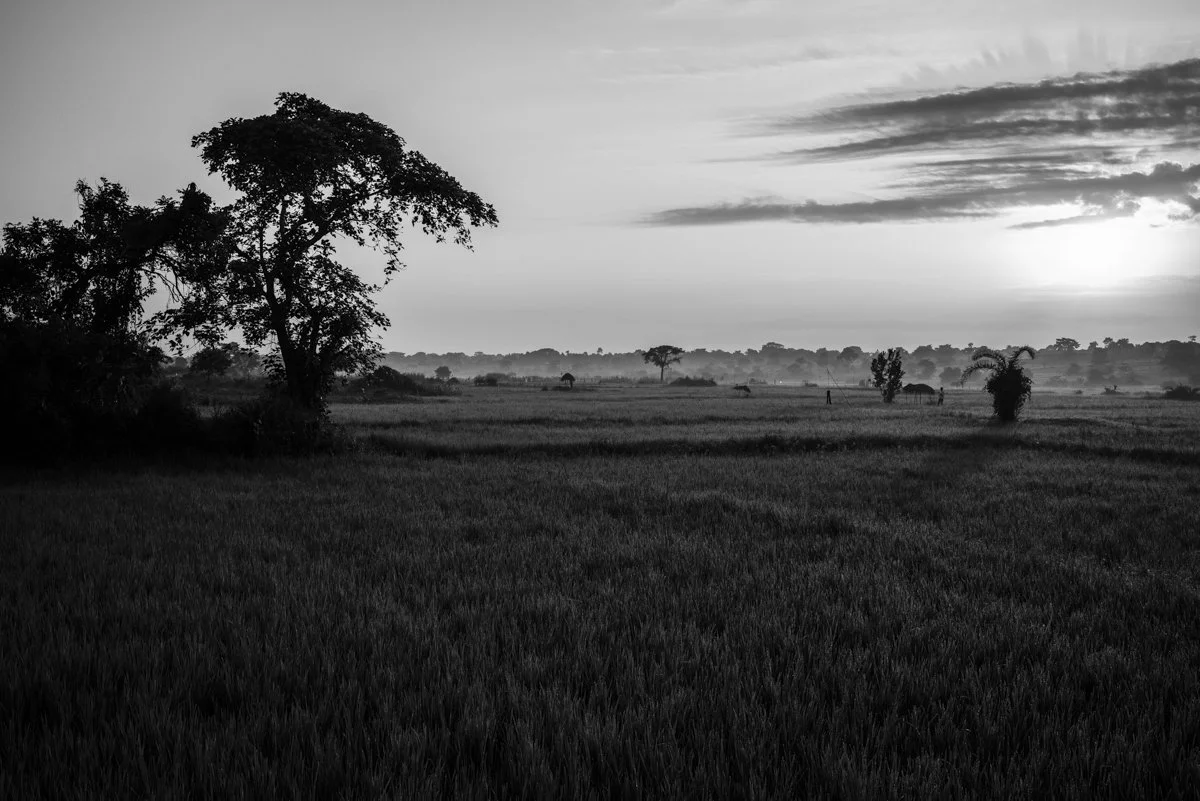
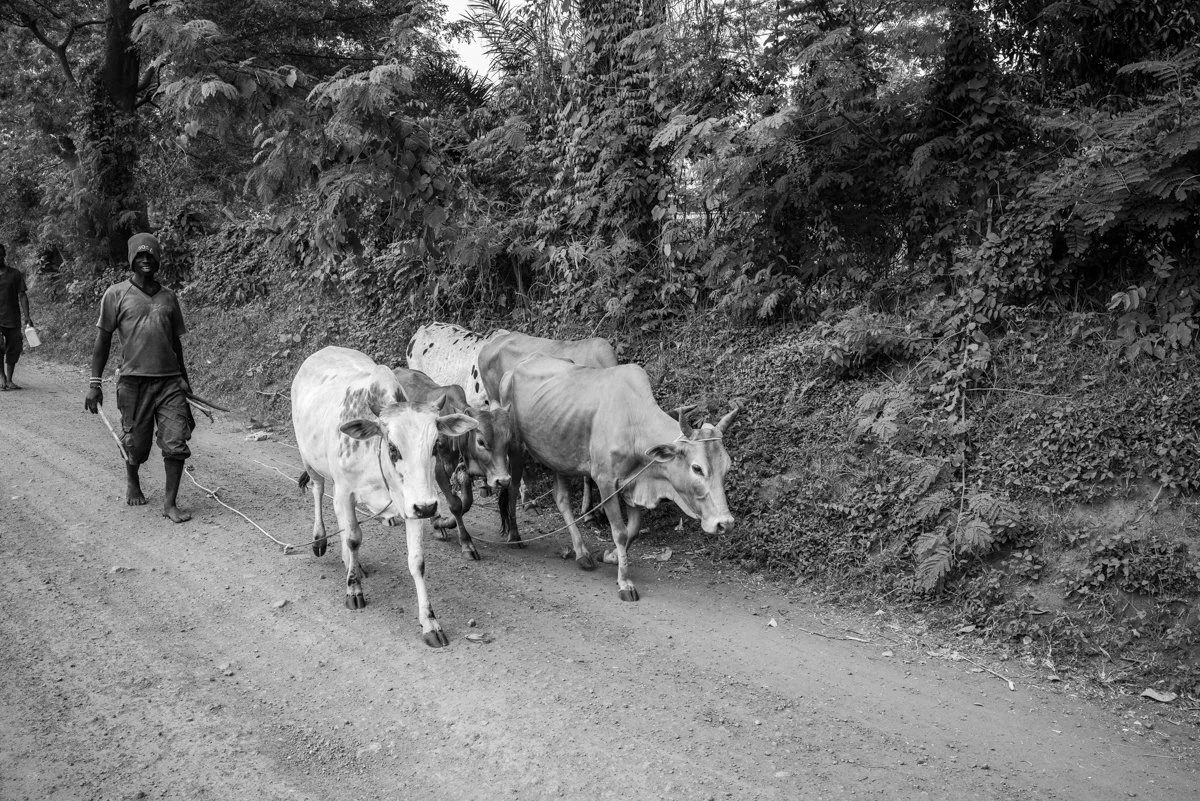
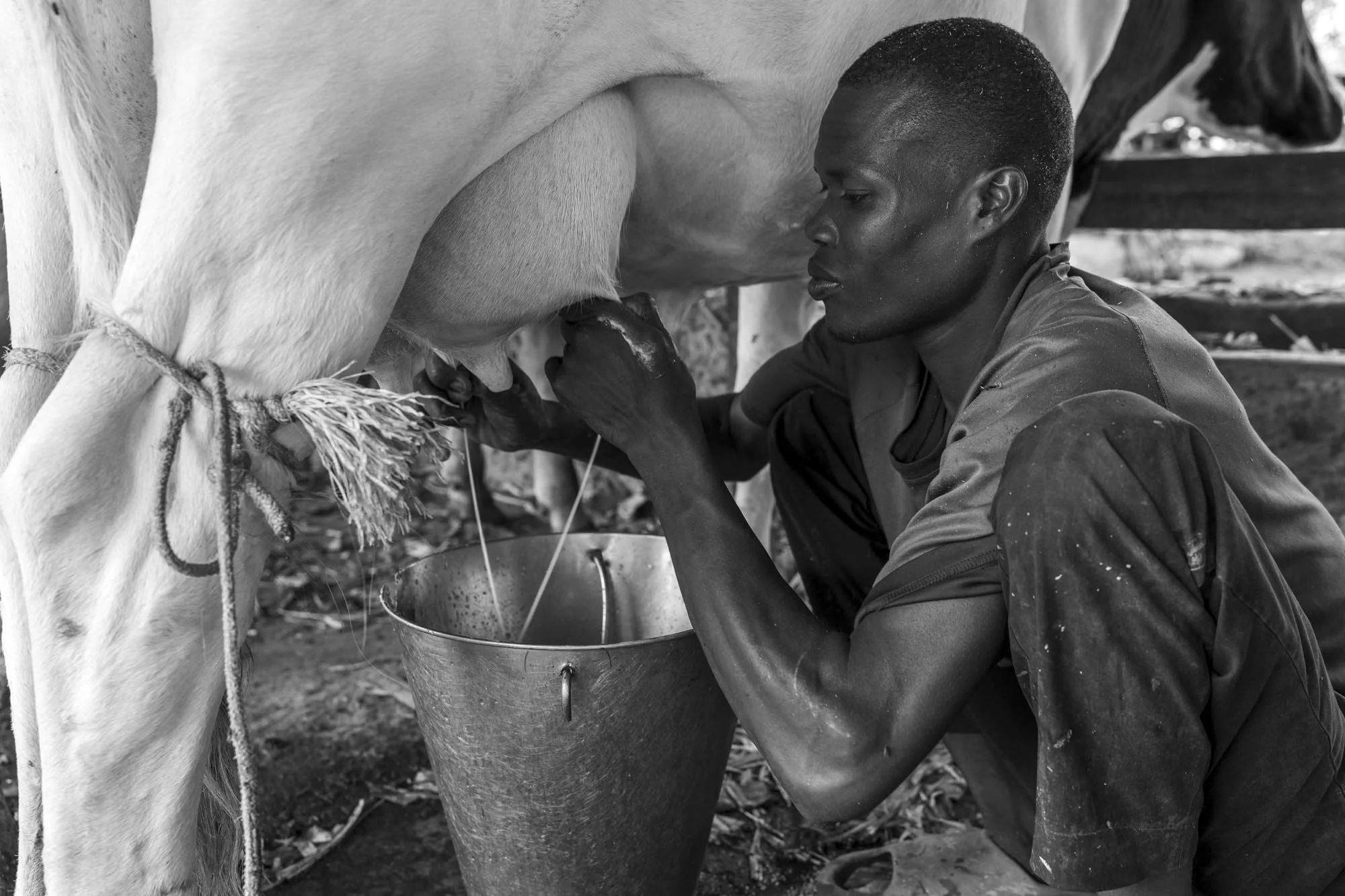
Life in the area moves to the rhythm of the land. Most families depend on subsistence farming, growing maize, cassava, matoke, and beans on small plots, planting and harvesting by hand with hoes – there is no machinery here. A good rainy season means enough food to eat and a modest surplus to sell or trade for services, such as education; a poor harvest means real hardship. People here literally live hand-to-mouth. In the wetter valleys and low-lying stretches near the swamps, some families cultivate rice, wading through flooded paddies to plant and weed, a labour-intensive crop that can offer better returns but demands far more physical effort than maize or cassava.
Water and firewood shape the daily schedule as much as any job would. Many people including small children, walk or cycle considerable distances to fetch water from boreholes. The same efforts are repeated for firewood that is needed for cooking.
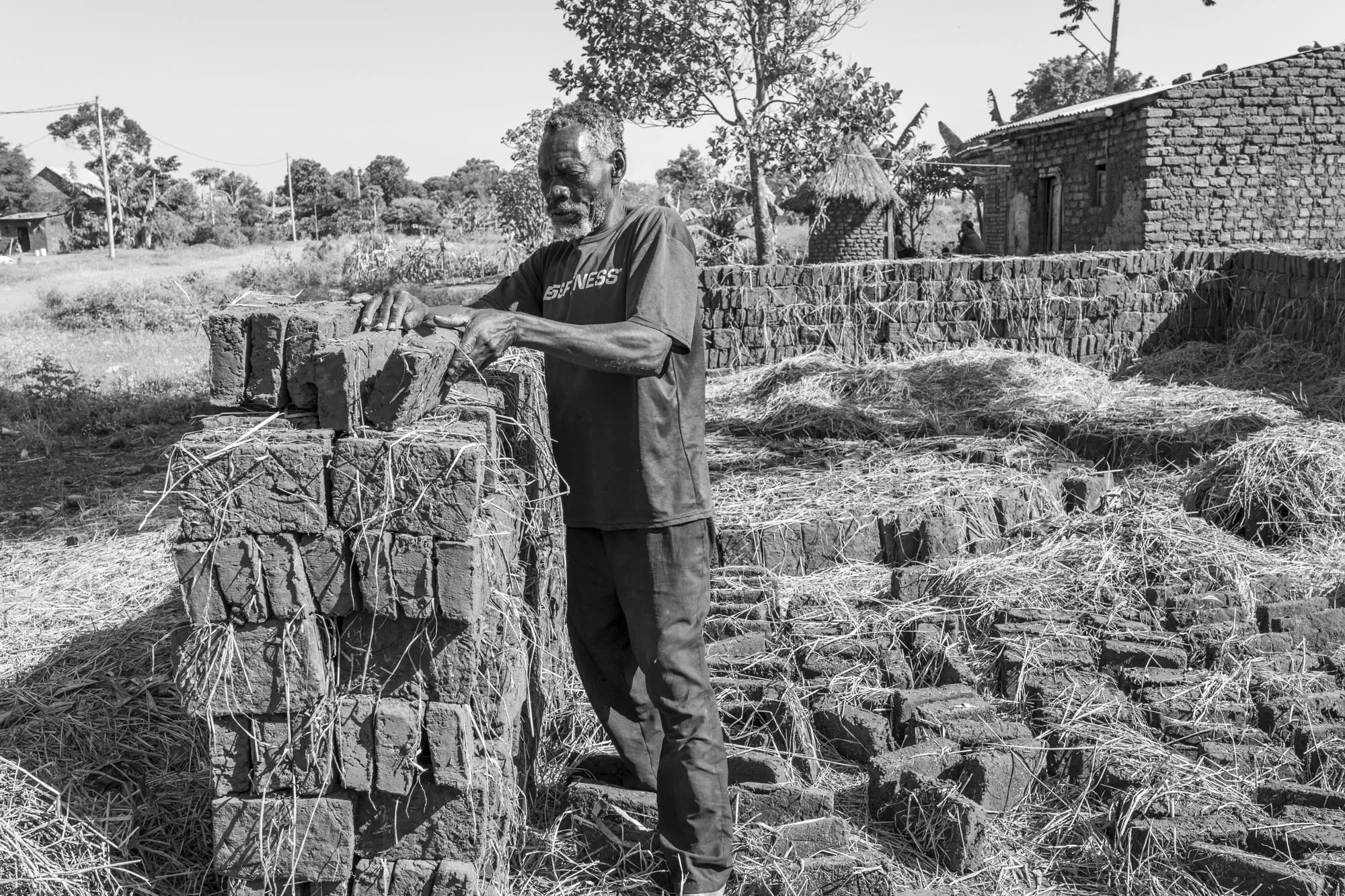
For those without land suited to farming, other trades such as brickmaking are common trade. Along the roadsides you’ll see clamps of hand-moulded mud bricks drying in the sun before being, then sold for small amounts to anyone building or extending a home. It’s hot, repetitive, physically demanding work, and profits are very small but it only requires a mould and good source mud.
Formal employment is scarce and most professionals, such as teachers, are recruited from the bigger towns and cities. Local people look for work as health workers, shopkeepers, or boda-boda (motorcycle taxi) riders. Healthcare can mean a long journey to a clinic that may lack medicine or staff. Education in Uganda is not free, the government insist that parents make a contribution which means that the poorest families often keep their children at home where they can help generate income rather than create expense.
Electricity is patchy or absent in many homes, so daylight hours dictate much of the working day, and mobile phones (often charged at a shop for a small fee) are frequently the only piece of technology a household owns.
The hardships that people endure mean that daily life requires resilience, optimism, close community ties, and a deep, practical knowledge of the land.
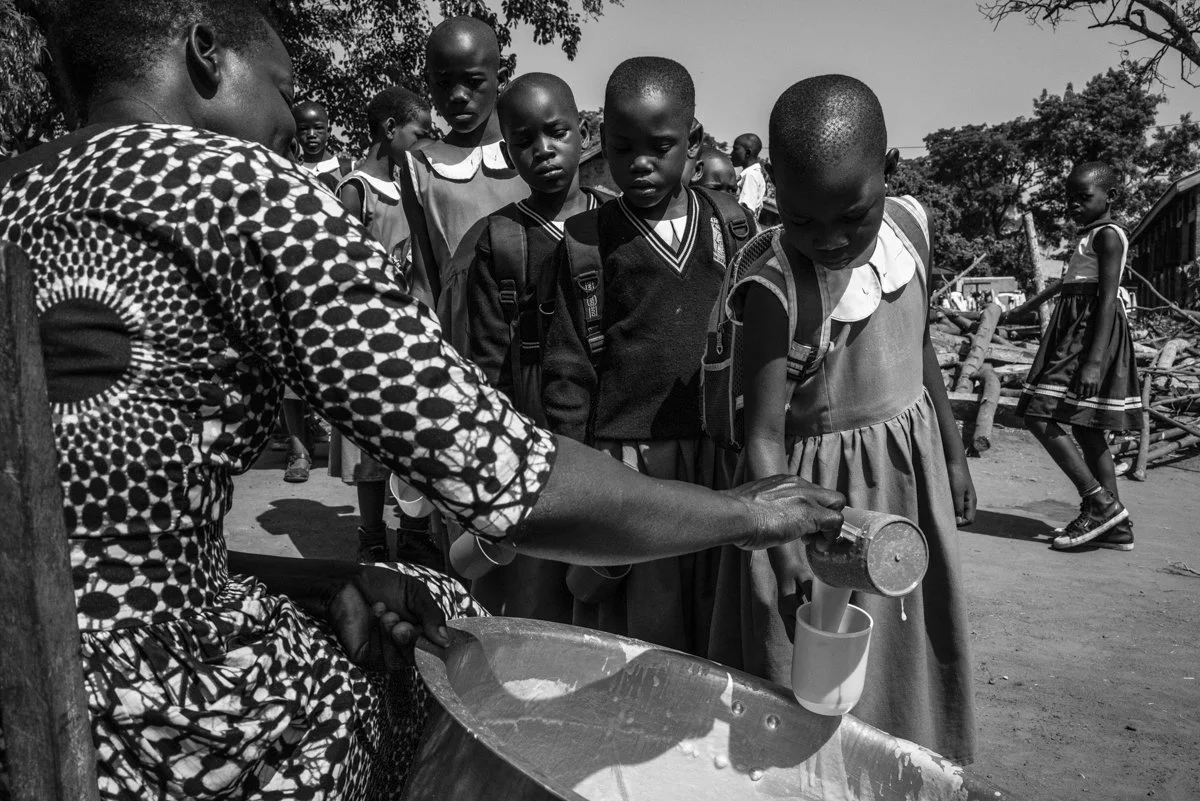
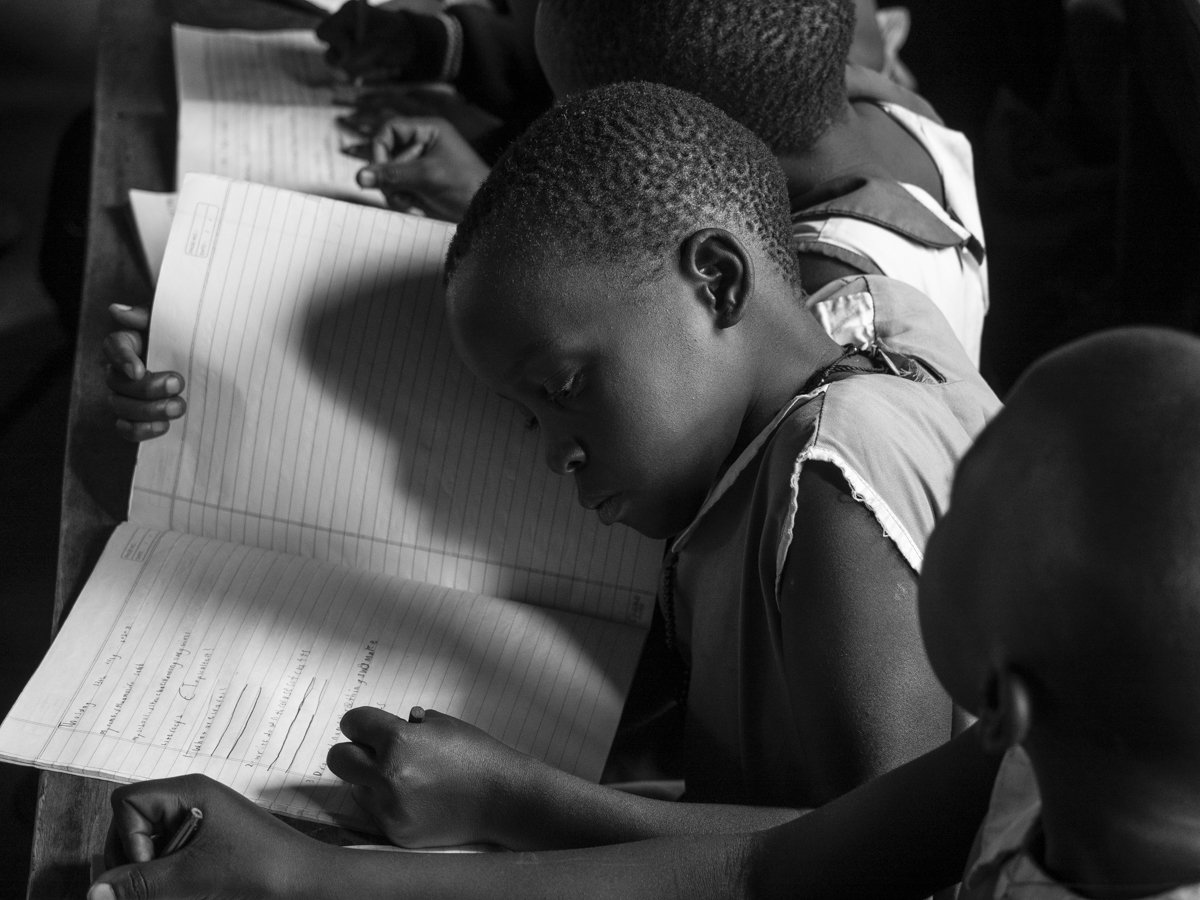
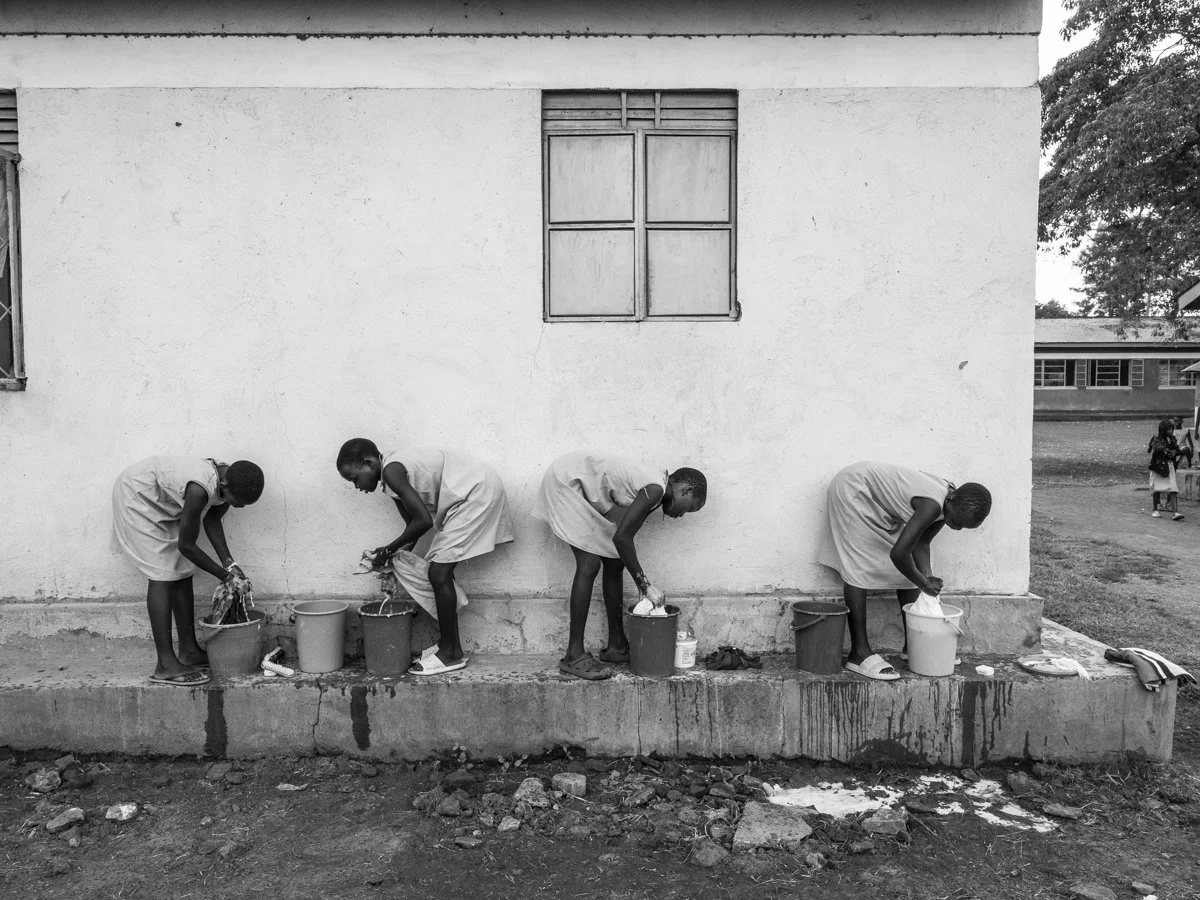
Fortunately, several of the schools in the district receive much needed support, funding and grants from organisations around the world. This has meant relieved some of the pressure on parents, which has led to greater numbers of children attending school and going on to further education with the hope that a generation of children can break the cycle of poverty. It’s a touch challenge but progress is being made year-on-year with local schools now proud of former students in roles such as nursing and engineering – something that would have seemed impossible 20 years ago.